
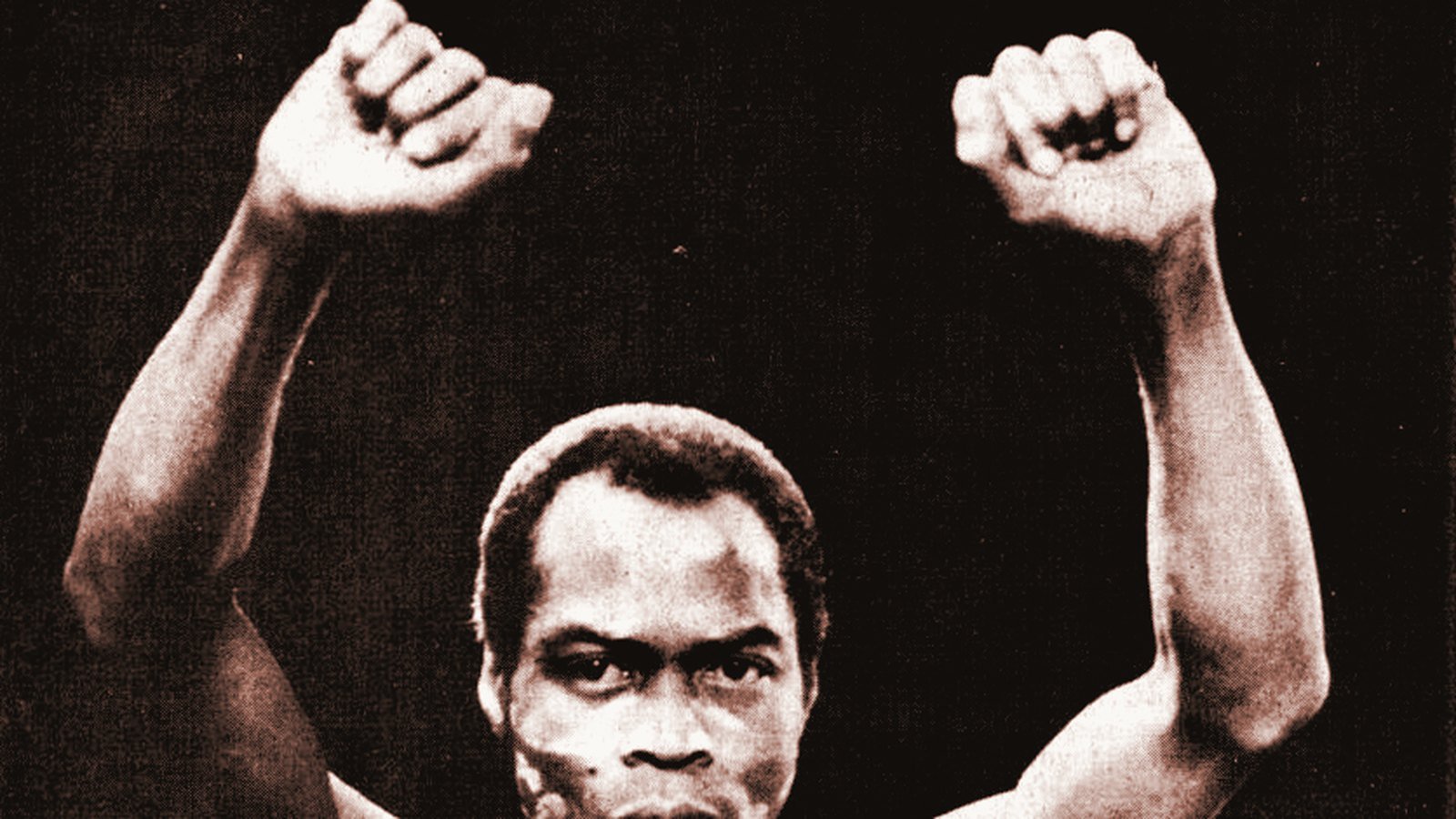
Fela Aníkúlápó Kútì exemplified the role and qualities of a prophet, surpassing many so-called men of God who bear the title of prophet in Nigeria today. I understand that categorizing Fela as a religious figure might offend some, especially since much of his life’s work included critiques of religious institutions. Nevertheless, his actions, words, and life mirror those of the prophets in the Old Testament of Christian Scripture. He fought against social injustice, spoke truth to power, used his platform to call for reforms, and stood with the poor, the marginalized, and the often forgotten.
Fela’s music was more than entertainment. It was a call for social change in a climate characterized by oppressive political scheming, corruption, and human rights violations in Nigeria. Songs like “Zombie,” “Sorrow, Tears, and Blood,” “International Thief Thief (I.T.T.),” and “Colonial Mentality” appealed to the consciousness of the Nigerian masses, urging them to understand their condition. Fela hoped that the collective voices of the people would drown out the oppressive regimes and corrupt systems, birthing a new Nigeria. I fear his labor might be in vain. The people have failed to grasp the significance of his whipped, scarred, and broken body. His provocative music calling for change has become too attuned to the hands holding wine, rather than to minds ready to fight back.
The numbers our pulpits are not naming
It worries me that we would have done better as a nation with more voices like Fela’s than we are faring with the voices from the pulpits in our churches. Over 133 million people, 63 percent of the population, live in poverty (NBS, 2022). An estimated 18.5 million children are out of school (UNICEF, 2023), and more than 3 million people are internally displaced because of violence (World Bank, 2022). Life expectancy in Nigeria is 56 years (WHO data via Macrotrends, 2024), far below the global average. For context, life expectancy is 77 years in the United States, 81 in the United Kingdom, and 84 in Japan (Worldometer, 2024).
Where is the outrage from our prophets in Nigeria? I believe the Church and its leaders in Nigeria have a moral obligation to speak out against the unimaginable suffering and injustice in the nation. I believe in the power of prayer. I also believe we must work toward solutions. It is not enough to offer prayers and hope for change. We must build concrete plans to address the root causes of poverty, lack of education, and violence. Silence is not an option.
What the prophets were told to do
Scripture emphasizes compassion, justice, and advocacy for the marginalized. The prophets were given clear directives to speak out against injustice. Amos was told to “let justice roll down like waters, and righteousness like an ever-flowing stream” (Amos 5:24). Micah understood his role as “to do justice, to love mercy, and to walk humbly with your God” (Micah 6:8). These prophets, and many others, were not silent in the face of corruption and oppression. They confronted kings and rulers, called them to account, and many lost their lives for speaking truth to power.
So it is an obligation, and a large part of being called into ministry, to use the influence and power of the Church to organize and mobilize congregations, partner with non-governmental organizations, and advocate for policies that promote social and economic justice. Silence in the face of such profound suffering contradicts the core tenets of Christianity and perpetuates the cycle of poverty and despair.
A complicated man, a clear calling
To be sure, Fela was a complex man. Like so many great men and women throughout history, he embodied both extraordinary talent and significant moral failures. His life was marked by personal struggles, including substance abuse and controversial relationships. His weaknesses do not diminish the impact of his life and work. Fela used his platform as a tool to bring about social change, address the issues that weighed on ordinary people, speak truth to power, and advocate for oppressed Nigerians.
Just as Fela used his influence to challenge the status quo, the Church in Nigeria must rise to its prophetic calling. Religious leaders are called to do more than offer prayers. I am not dismissing the power of prayer. But practical steps must be taken to confront injustice, support the oppressed, and lead communities toward lasting change.
In the words of Dr. Martin Luther King Jr., “The time is always right to do what is right.”
Leave a Reply